
Introduction
There’s a certain kind of magic in the small details of a home—the kind you don’t always notice right away, but somehow feel instantly. That’s exactly what runner rugs do. They quietly transform narrow, overlooked spaces into warm, inviting pathways.
Whether it’s a hallway that feels a bit too empty or a kitchen that needs a touch of softness, runner rugs bring comfort, style, and personality in one simple move. And honestly, once you add one, it’s hard to imagine the space without it.

In this guide, we’ll explore everything—from choosing the right size to styling tips that actually work in real homes. If you’ve ever wondered how to make your space feel more polished without a full makeover, you’re in the right place.
Table of Contents
What Are Runner Rugs?
Types of Runner Rugs
Benefits of Using Runner Rugs
Common Mistakes to Avoid
Runner Rugs Placement Ideas
How to Choose the Right Runner Rugs
Material Guide for Runner Rugs
Cost Breakdown and Budget Planning
Personal Background: The Evolution of Rug Design
Maintenance and Cleaning Tips
FAQs
Conclusion
What Are Runner Rugs?
Runner rugs are long, narrow rugs designed specifically for spaces like hallways, kitchens, and staircases.
Simple Definition
They are rectangular rugs that typically measure:

- 2–3 feet wide
- 6–14 feet long
Key Features
- Designed for narrow spaces
- Available in various materials and styles
- Provide both function and decoration
Why They Matter
Without runner rugs, certain areas of your home can feel:
- Empty
- Cold
- Unfinished
Types of Runner Rugs
Not all runner rugs are created equal. The right type depends on your space and lifestyle.
Hallway Runner Rugs
- Add warmth to long corridors
- Protect flooring
Kitchen Runner Rugs
- Placed near sinks or counters
- Provide comfort while standing
Stair Runner Rugs
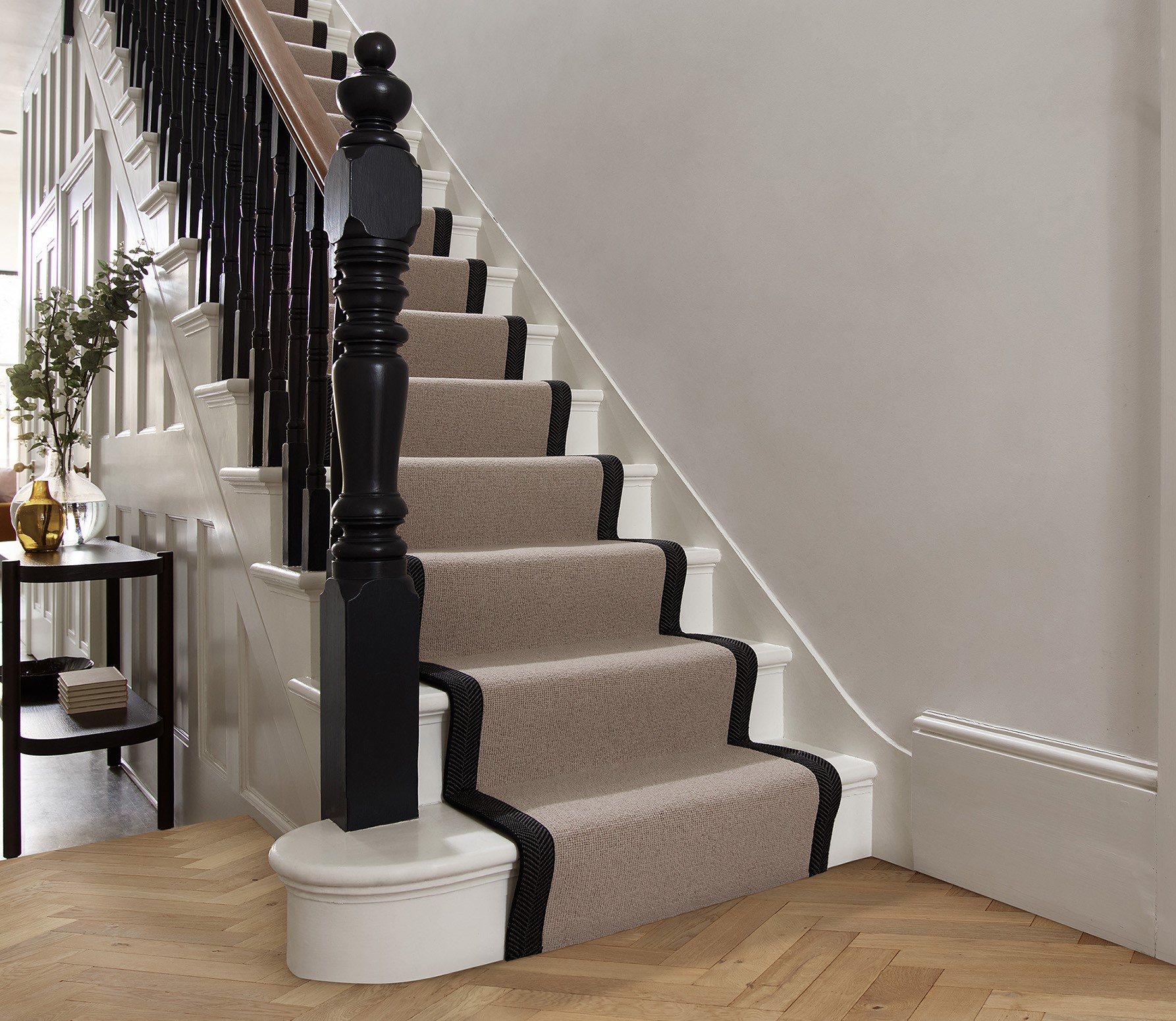
- Improve safety
- Add traction
Outdoor Runner Rugs
- Weather-resistant
- Ideal for patios or entryways
Benefits of Using Runner Rugs
1. Enhances Aesthetic Appeal
Runner rugs instantly elevate a space with color, texture, and design.
2. Protects Flooring
They act as a barrier against:
- Scratches
- Wear and tear
3. Improves Safety
Especially useful in:
- Staircases
- Slippery floors
4. Adds Comfort
Walking on soft rugs feels much better than hard floors.
5. Defines Space
They visually guide movement through your home.
Common Mistakes to Avoid
Choosing the Wrong Size
Too short:
- Looks awkward
Too wide:
- Overwhelms the space
Ignoring Material
Different areas require different materials.
Poor Placement
Incorrect positioning can disrupt the room’s flow.
Skipping Rug Pads
This can lead to:
- Slipping
- Damage to floors
Runner Rugs Placement Ideas
Hallways
Place the rug centrally with equal spacing on both sides.
Kitchens
Position along:
- Counters
- Islands
Entryways
Create a welcoming first impression.
Staircases
Enhance both safety and design.

How to Choose the Right Runner Rugs
Measure Your Space
Always measure before buying to avoid mistakes.
Match Your Style
Consider:
- Color scheme
- Furniture
- Overall theme
Consider Foot Traffic
High-traffic areas need:
- Durable materials
- Easy maintenance
Think About Function
Ask yourself:
- Is it for comfort, style, or both?
Material Guide for Runner Rugs
Wool
- Durable
- Soft
- Long-lasting
Cotton
- Lightweight
- Easy to clean
Synthetic Fibers
- Budget-friendly
- Stain-resistant
Natural Fibers
- Eco-friendly
- Textured look
Cost Breakdown and Budget Planning
Average Price Table
| Type | Cost Range |
|---|---|
| Budget rugs | $20–$80 |
| Mid-range | $80–$200 |
| Premium | $200–$800+ |
Factors Affecting Cost
- Material
- Brand
- Size
- Design complexity
Budget Tips
- Focus on durability
- Invest in high-traffic areas
Personal Background: The Evolution of Rug Design
Rugs have been part of human culture for centuries.
Historical Roots
- Originated in ancient civilizations
- Used for warmth and decoration
Modern Trends
Today’s runner rugs combine:
- Tradition
- Modern design
Industry Growth
The global rug market continues to expand, driven by interior design trends.
Financial Insight
High-quality rugs are often considered long-term investments.
Maintenance and Cleaning Tips
Regular Cleaning
- Vacuum weekly
- Shake out dust
Deep Cleaning
- Use mild detergents
- Professional cleaning when needed
Protecting Your Rug
- Rotate regularly
- Use rug pads
FAQs
What are runner rugs used for?
They are used to decorate and protect narrow spaces like hallways and kitchens.
What size should I choose?
Typically 2–3 feet wide and 6–14 feet long.
Are runner rugs suitable for kitchens?
Yes, they add comfort and protect floors.
Do I need a rug pad?
Yes, it prevents slipping and adds durability.
How do I clean runner rugs?
Regular vacuuming and occasional deep cleaning.
Can runner rugs be used outdoors?
Yes, if made from weather-resistant materials.
Are they expensive?
They range from budget-friendly to premium options.
How long do they last?
With proper care, they can last for years.
Conclusion
Runner rugs may seem like a small addition, but their impact is anything but small. They bring warmth, style, and functionality to spaces that often go unnoticed.
Whether you’re upgrading a hallway, adding comfort to your kitchen, or enhancing your staircase, runner rugs offer a simple yet powerful way to transform your home. Sometimes, it’s the smallest design choices that make the biggest difference.