

Introduction
Have you ever walked into a bedroom and instantly felt relaxed—like everything just clicked? That feeling often comes down to one thing: the normal bedroom colour choice.
It might sound simple, even a bit boring at first. But in reality, choosing the right color for your bedroom is one of the most powerful decisions you can make for your comfort, mood, and sleep quality. The wrong shade can feel overwhelming or dull, while the right one can turn your space into a peaceful retreat.

This guide will walk you through everything—from understanding what “normal” actually means in bedroom colors to practical tips, combinations, and real-life ideas you can actually use. Whether you’re repainting or just refreshing your space, you’ll find something here that fits your style.
Table of Contents
What Is a Normal Bedroom Colour?
Why Normal Bedroom Colour Choices Matter
Best Normal Bedroom Colour Options
Color Psychology in Bedroom Design
Normal Bedroom Colour Combinations That Work
Common Mistakes to Avoid
How to Choose the Right Normal Bedroom Colour
Trends vs Timeless Colors
Personal Background: The Evolution of Bedroom Colors
Practical Tips for Painting and Styling
FAQs
Conclusion
What Is a Normal Bedroom Colour?
A normal bedroom colour refers to shades that are calm, neutral, and widely accepted for creating a relaxing bedroom environment.
Simple Definition
These are colors that:

- Feel comfortable
- Aren’t too bold or overwhelming
- Promote relaxation
Examples of Normal Colors
- Soft white
- Beige
- Light gray
- Pastel blue
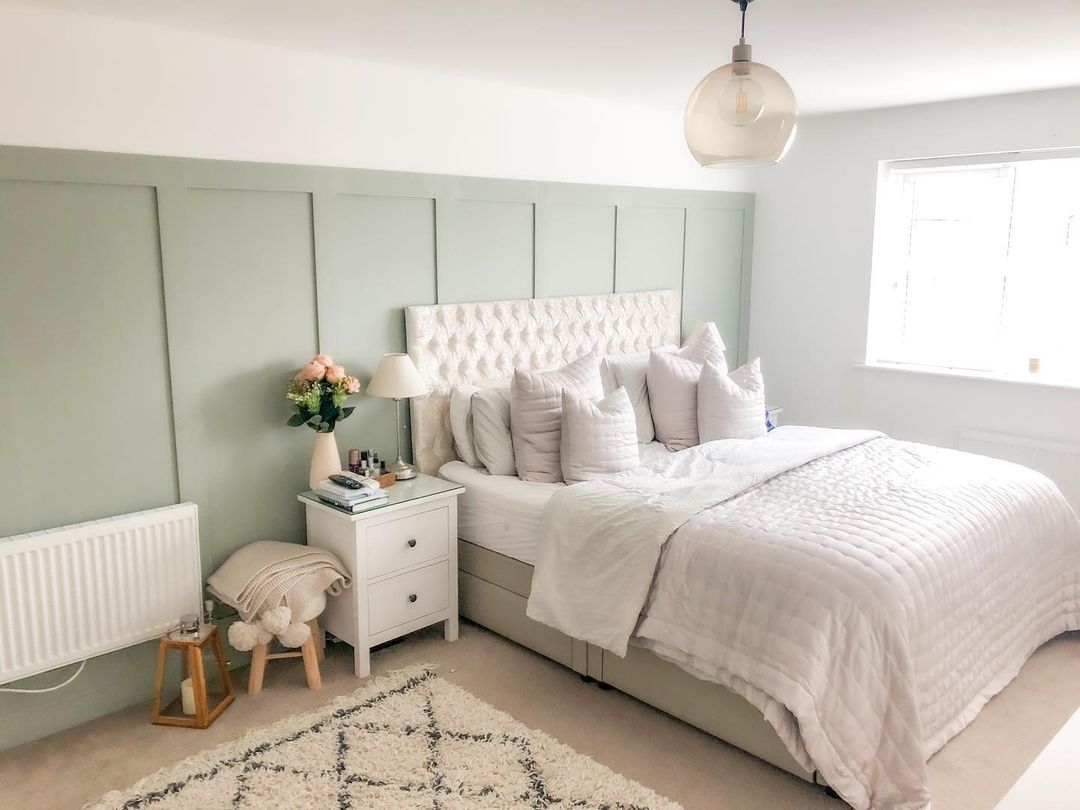
- Muted green
Why “Normal” Doesn’t Mean Boring
In reality, “normal” colors are timeless. They create a base that works with almost any décor style.
Why Normal Bedroom Colour Choices Matter
1. Affects Your Mood
Colors directly influence how you feel.
2. Improves Sleep Quality
Calm tones help your mind relax faster.
3. Makes Your Space Feel Bigger
Light shades reflect more light, creating openness.
4. Supports Versatile Design
Neutral colors allow you to change décor easily.
Best Normal Bedroom Colour Options
Soft White
- Clean and timeless
- Works with any style
Beige and Cream
- Warm and inviting
- Adds coziness
Light Gray
- Modern and elegant
- Neutral balance
Pastel Blue
- Calming and peaceful
- Ideal for better sleep
Muted Green
- Nature-inspired
- Refreshing and relaxing
Color Psychology in Bedroom Design

Understanding color psychology helps you make smarter choices.
Warm vs Cool Colors
- Warm tones → cozy and intimate
- Cool tones → calm and relaxing
Emotional Effects
| Color | Effect |
|---|---|
| Blue | Calm, peaceful |
| Green | Balanced, refreshing |
| Beige | Warm, comforting |
| Gray | Neutral, sophisticated |
Real-Life Insight
Think about hotel rooms—they almost always use soft, neutral tones. There’s a reason for that: they’re designed for rest.
Normal Bedroom Colour Combinations That Work
White + Beige
- Clean and cozy
- Perfect for minimalists
Gray + Soft Blue
- Modern and calming
Green + Neutral Tones
- Natural and fresh
Cream + Warm Wood
- Soft and inviting
Common Mistakes to Avoid
Choosing Colors That Are Too Dark
Dark shades can make rooms feel smaller.
Ignoring Lighting
Natural and artificial light affect how colors look.
Following Trends Blindly
Trendy colors may not suit your space long-term.
Overcomplicating Color Schemes
Too many colors can feel chaotic.
How to Choose the Right Normal Bedroom Colour
Consider Room Size
- Small rooms → lighter colors
- Large rooms → more flexibility
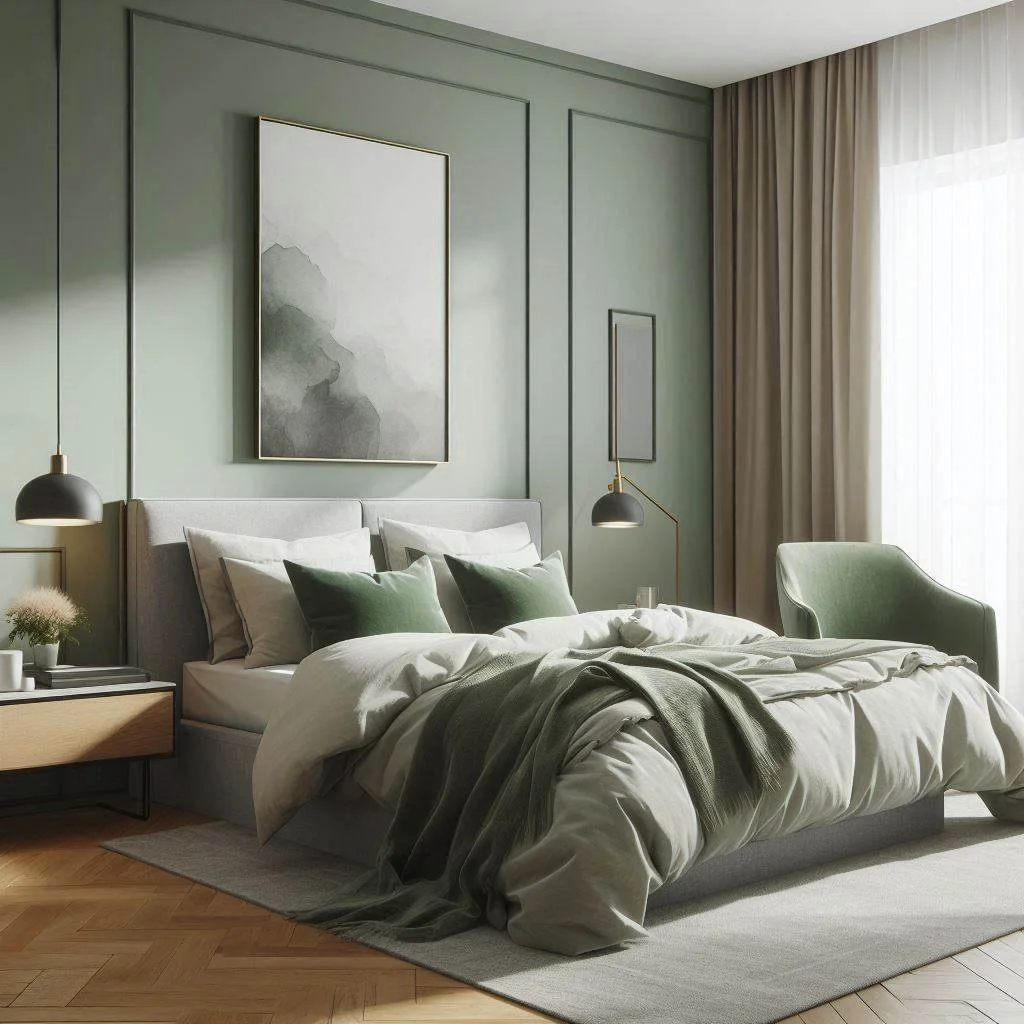
Think About Lighting
- Natural light enhances colors
- Artificial light changes tone
Match Furniture and Décor
Ensure harmony between:
- Walls
- Furniture
- Textiles
Test Before Committing
Always try samples on your wall first.
Trends vs Timeless Colors
Trendy Colors
- Change frequently
- Can feel outdated quickly
Timeless Colors
- Always in style
- Adaptable
Balanced Approach
Use normal bedroom colour as a base, then add trendy accents.
Personal Background: The Evolution of Bedroom Colors
Bedroom color trends have changed significantly over time.
Historical Perspective
Earlier designs favored:
- Dark, heavy tones
- Rich colors
Modern Shift
Today, people prefer:
- Light, airy spaces
- Calm environments
Why the Change?
Lifestyle shifts toward:
- Wellness
- Minimalism
- Comfort
Financial Insight
Neutral-colored homes often have better resale value due to broader appeal.
Practical Tips for Painting and Styling
Painting Tips
- Use high-quality paint
- Apply primer
- Test samples
Styling Tips
- Add textures (throws, rugs)
- Use layered lighting
- Incorporate natural elements
Quick Upgrades
- Change bedding
- Add cushions
- Update curtains
FAQs
What is the best normal bedroom colour?
Soft neutrals like white, beige, and light gray are the most popular.
Are bold colors bad for bedrooms?
Not necessarily, but they should be used carefully.
Does color really affect sleep?
Yes, calming colors can improve relaxation and sleep quality.
Can I mix different colors?
Yes, but keep the palette balanced and simple.
What color makes a bedroom look bigger?
Light shades like white and pastel tones.
Should I follow trends?
It’s better to stick with timeless colors and add trends through décor.
How do I test a color?
Use paint samples and observe them in different lighting.
Is gray still popular?
Yes, it remains a versatile and modern choice.
Conclusion
Choosing the right normal bedroom colour isn’t about playing it safe—it’s about creating a space that feels right every single day. It’s where you start and end your day, so the atmosphere matters more than you might think.
By focusing on calm, balanced tones and thoughtful combinations, you can transform your bedroom into a space that truly supports rest, comfort, and style. And sometimes, the simplest choices are the ones that make the biggest difference.