Introduction
There’s something quietly magical about a well-placed wall mirror. It doesn’t just reflect your image—it transforms a room, amplifies light, and subtly shifts the mood of your space. Whether you’re decorating a cozy apartment or redesigning a spacious home, a thoughtfully chosen wall mirror can instantly elevate your interiors.
In reality, most people underestimate how powerful mirrors can be. They’re not just functional pieces—they’re design tools. From making small rooms feel larger to adding personality to plain walls, a wall mirror plays a surprisingly versatile role in home décor.
Think about the last time you walked into a beautifully styled room. Chances are, a mirror was doing some heavy lifting behind the scenes. That’s exactly why understanding how to choose and use one properly matters.
Table of Contents
Understanding Wall Mirrors
Types of Wall Mirror Styles
Benefits of Using a Wall Mirror in Your Home
How to Choose the Perfect Wall Mirror
Wall Mirror Placement Tips for Every Room
Design Trends and Creative Ideas
Common Mistakes to Avoid
Personal Background & Industry Insights
FAQ Section
Conclusion
Understanding Wall Mirrors
A wall mirror is more than a reflective surface mounted on a wall. In interior design, it acts as a visual enhancer, creating depth, improving lighting, and adding aesthetic balance.
What Makes Wall Mirrors So Popular?
- They are multifunctional
- They suit every design style
- They instantly upgrade a room without major renovation
Interestingly, interior designers often call mirrors “silent influencers” because they subtly change how a space feels without drawing too much attention.
Types of Wall Mirror Styles
Choosing the right mirror starts with understanding the different styles available. Each type brings a different vibe and function.
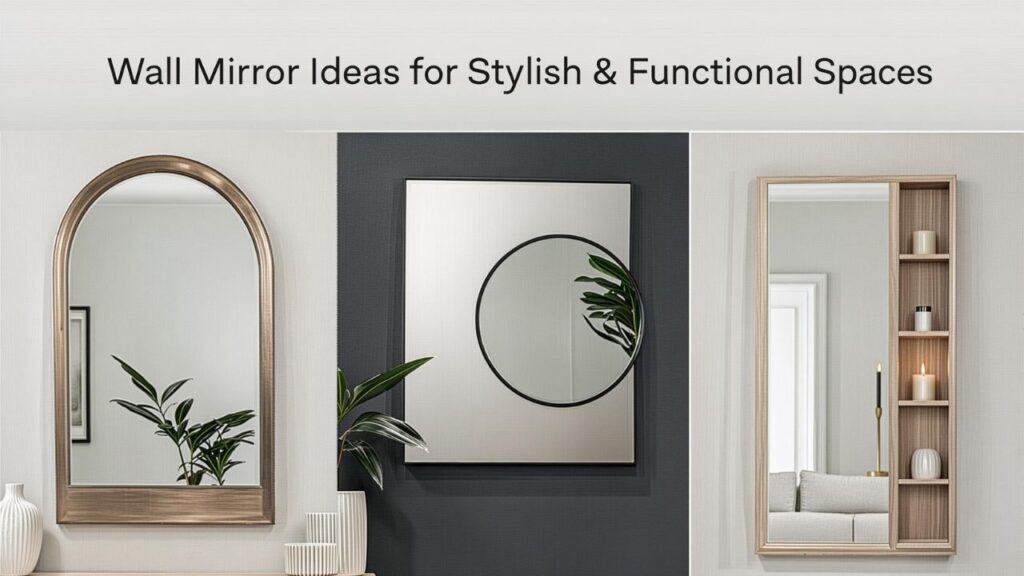
Framed Wall Mirrors
These are the most common and versatile. Frames can be:
- Wooden (rustic or traditional)
- Metal (modern or industrial)
- Ornate (classic or vintage)
Frameless Mirrors
Minimalistic and sleek, ideal for:
- Contemporary homes
- Bathrooms
- Small spaces
Decorative Mirrors
These are more about aesthetics than function. They often feature:
- Unique shapes
- Artistic frames
- Bold designs
Full-Length Mirrors
Perfect for bedrooms and dressing areas. They:
- Make rooms look taller
- Add depth
- Serve practical daily use
Accent Mirrors
Small yet impactful, often used to:
- Highlight a wall
- Add visual interest
- Complement artwork
Benefits of Using a Wall Mirror in Your Home
A well-placed wall mirror can completely change how your home feels.
1. Enhances Natural Light
Mirrors reflect light, making rooms brighter. This is especially helpful in spaces with limited windows.
2. Creates Illusion of Space
Small room? No problem. Mirrors can make it feel twice as big.
3. Adds Style and Personality
From vintage to modern, mirrors can match any theme.
4. Improves Functionality
Let’s be honest—you still need to check your outfit before leaving.
5. Increases Property Appeal
Homes with good lighting and smart décor often feel more inviting to buyers.
How to Choose the Perfect Wall Mirror
Choosing the right mirror isn’t just about looks—it’s about balance.
Consider the Size
- Large mirrors: Best for spacious rooms
- Small mirrors: Ideal for accents
Think About Shape
- Round: Soft and modern
- Rectangular: Classic and practical
- Abstract: Artistic and bold
Match Your Interior Style
Your mirror should blend with your décor, not fight it.
Frame Matters
A heavy frame can dominate a room, while a light frame keeps things subtle.
Wall Mirror Placement Tips for Every Room
Placement can make or break the impact of your mirror.
Living Room
Place a wall mirror:
- Above the sofa
- Opposite a window
- Behind a light source
Bedroom
Use mirrors to:
- Reflect natural light
- Add depth behind bedside tables
- Avoid facing directly toward the bed (for better sleep ambiance)
Dining Area
A mirror here creates a luxurious feel and reflects table setups beautifully.
Hallway
Narrow hallway? Add a mirror to make it feel wider and more welcoming.
Bathroom
Function meets style here. Go for:
- Anti-fog mirrors
- LED-lit mirrors
Design Trends and Creative Ideas
Design trends change, but mirrors remain timeless.
Trending Ideas
- Oversized mirrors leaning against walls
- Geometric shapes
- Antique finishes
- Layered mirror arrangements
Creative Styling Ideas
- Create a mirror gallery wall
- Mix mirrors with artwork
- Use mirrors as statement pieces
Quick Styling Table
| Style Type | Best For | Effect Created |
|---|---|---|
| Round Mirror | Modern homes | Softens space |
| Large Mirror | Small rooms | Expands space |
| Decorative Frame | Classic interiors | Adds elegance |
| Frameless | Minimalist spaces | Clean, sleek look |
Common Mistakes to Avoid
Even a beautiful mirror can fail if used incorrectly.
1. Hanging Too High
Keep it at eye level for best results.
2. Reflecting Clutter
Mirrors double what they reflect—good or bad.
3. Wrong Size Choice
Too small = lost impact
Too big = overwhelming
4. Poor Lighting Placement
A mirror in a dark corner won’t do much.
Personal Background & Industry Insights
Interior design has evolved significantly over the past decade. Designers who specialize in home styling often emphasize mirrors as one of the most cost-effective upgrades.
Many successful interior stylists began their journey experimenting with small décor elements like mirrors, lighting, and textures. Over time, these professionals have built careers by understanding how simple changes can dramatically improve a living space.
Career Journey in Interior Styling
- Starting with DIY décor projects
- Learning spatial design principles
- Working with clients and real homes
- Building a portfolio of transformations
Achievements
- Creating visually balanced interiors
- Enhancing property value through design
- Helping homeowners express personality
Financial Insights
Top interior designers can earn anywhere between:
- $50,000 to $200,000+ annually depending on experience
- Freelancers and consultants often earn per project
Mirrors, surprisingly, are often part of high-value design projects because of their transformative effect.
FAQ Section
What is the best place to hang a wall mirror?
The best place is where it reflects light or a visually appealing area, such as opposite a window or above furniture.
How do I choose the right size mirror?
Match the mirror size to the wall and furniture. It should not exceed the width of the furniture beneath it.
Are wall mirrors good for small rooms?
Yes, they create an illusion of space and make rooms appear larger and brighter.
Can a wall mirror improve lighting?
Absolutely. It reflects natural and artificial light, enhancing brightness.
What shapes are best for modern interiors?
Round and geometric shapes work best for contemporary designs.
Should mirrors face windows?
Yes, facing windows helps maximize natural light reflection.
Are decorative mirrors practical?
They are more aesthetic but can still serve light reflective purposes.
How high should a mirror be hung?
Generally at eye level, around 57–65 inches from the floor.
Conclusion
A wall mirror is one of those rare décor elements that blends beauty and function effortlessly. It can brighten your space, expand your room visually, and reflect your personal style—all at once.
That said, the real magic lies in how you use it. The right size, placement, and design can turn an ordinary room into something truly special. Whether you’re refreshing your home or starting from scratch, investing in the right wall mirror might just be the simplest upgrade with the biggest impact.