Introduction
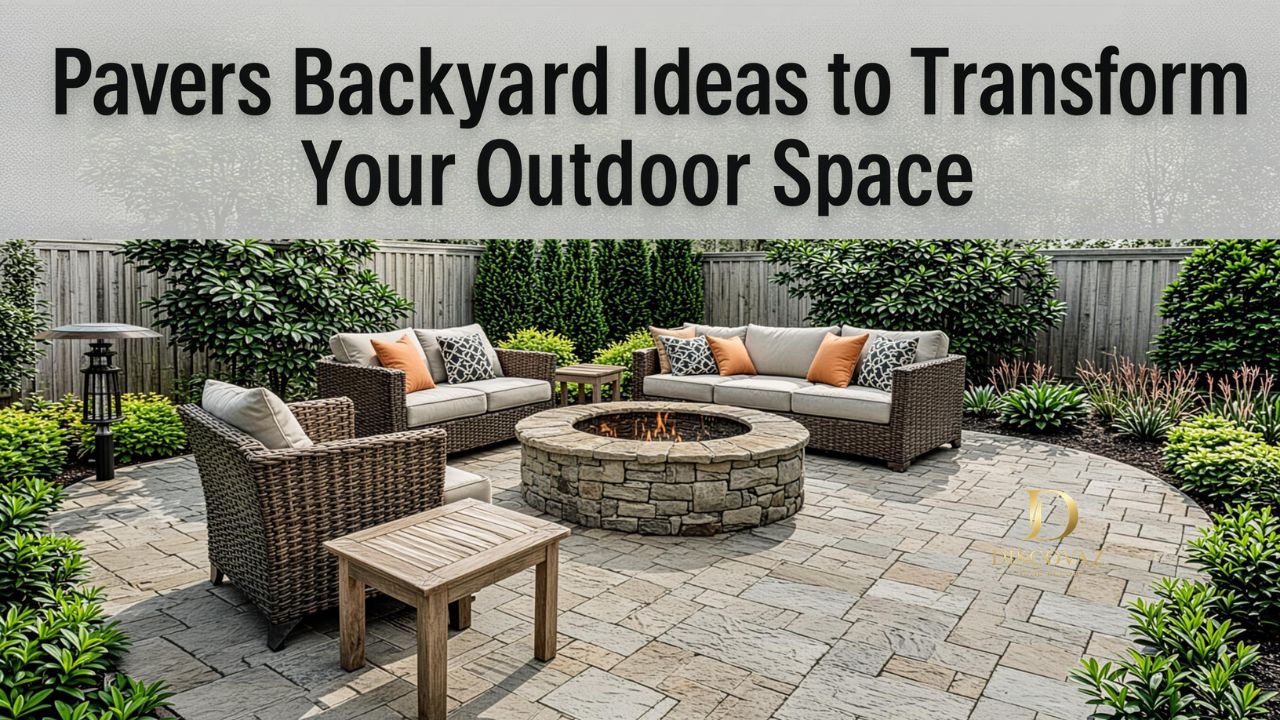
A dull outdoor space can quietly drain the potential of your home—but the right design can completely flip that story. A well-planned pavers backyard doesn’t just look good; it creates a functional extension of your living space where you actually want to spend time.
Whether you’re hosting guests, relaxing after work, or boosting property value, upgrading your backyard with pavers is one of the smartest moves you can make. It’s durable, customizable, and far more versatile than most people realize.
The problem? Most homeowners either overcomplicate it or make poor material and layout choices. This guide cuts through that noise and gives you a clear, practical roadmap to designing a backyard that works—and ranks visually.
Why a Pavers Backyard Is a Smart Investment
A pavers backyard is not just about aesthetics—it’s about long-term functionality and ROI.
Durability That Beats Traditional Surfaces
Concrete cracks. Wood rots. But pavers? They’re designed to handle pressure, weather, and time. Individual units can be replaced easily, making maintenance straightforward.
Flexibility in Design
You’re not locked into one look. Pavers come in:
- Concrete
- Natural stone
- Brick
Each offers different textures, colors, and patterns—meaning your design options are nearly limitless.

Cost vs Value Reality Check
Let’s be honest: upfront costs can be higher than basic concrete. But here’s the difference—pavers add perceived luxury. That matters in resale and usability.
Cheap installs cost more in the long run. Period.
Planning Your Pavers Backyard Layout
Before you even think about materials, your layout determines success or failure.
Define Purpose First
Ask yourself:
- Is this for entertaining?
- Relaxation?
- Outdoor dining?
- Kids/play area?
If you don’t define purpose, you’ll end up with a scattered design that looks good in photos but fails in real life.
Zoning Your Space
Break your backyard into zones:
- Seating area
- Walkways
- Dining space
- Green space
This creates flow and avoids clutter.


Common Layout Mistakes (Avoid These)
- Ignoring drainage
- Overcrowding with features
- Choosing style over function
- No transition between zones
Most DIY projects fail here—not in installation.
Choosing the Right Materials for Your Pavers Backyard
Not all pavers are created equal. Choosing wrong here will cost you later.
Concrete Pavers
- Affordable
- Versatile designs
- Easy to install
Best for: Budget-conscious homeowners who still want flexibility.
Natural Stone Pavers
- Premium look
- Unique textures
- Higher cost
Best for: High-end aesthetics and long-term durability.
Brick Pavers
- Classic appeal
- Strong and reliable
- Limited color range
Best for: Traditional designs.
Design Styles That Actually Work
Trends come and go—but these styles consistently perform well.
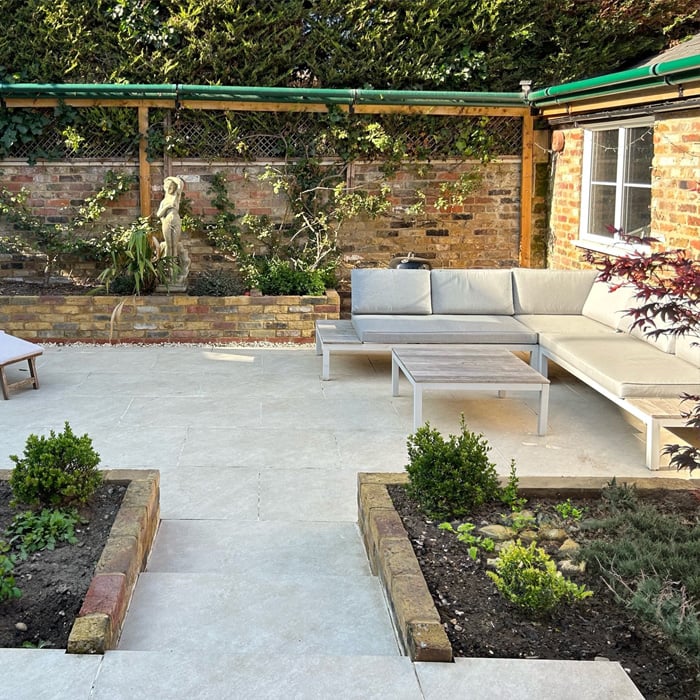
Modern Minimalist
- Clean lines
- Neutral tones
- Large-format pavers
This style is dominating high-end homes for a reason.
Rustic & Natural
- Irregular stone shapes
- Earthy colors
- Integrated greenery
Feels organic and timeless.


Geometric Patterns (Infographic Concept)
Patterns like:
- Herringbone
- Basket weave
- Running bond
These aren’t just decorative—they affect durability and load distribution.
Installation: DIY vs Professional
Here’s where most people mess up.
DIY Installation
Pros:
- Saves money
- Full control
Cons:
- Time-consuming
- High chance of mistakes
If your base layer isn’t perfect, everything fails.
Professional Installation
Pros:
- Long-term reliability
- Faster execution
Cons:
- Higher cost
If you value time and precision, hire professionals.
Maintenance That Keeps Your Backyard Looking Premium
A pavers backyard doesn’t require much—but neglect will show quickly.
Basic Maintenance Routine
- Sweep weekly
- Wash occasionally
- Remove weeds between joints
Sealing (Optional but Recommended)
Benefits:
- Enhances color
- Prevents stains
- Extends lifespan
Skip sealing, and your pavers will age faster than they should.
Cost Breakdown: What You Should Expect
Let’s get realistic.
Average Costs
- Materials: $3–$10 per sq ft
- Installation: $10–$25 per sq ft
What Drives Cost Up
- Complex patterns
- Premium materials
- Large areas
- Poor site conditions
Cheap quotes usually mean shortcuts. Don’t fall for it.
Adding Features to Elevate Your Backyard
Basic patios are everywhere. What separates yours?
Fire Pits
- Boost usability at night
- Create focal points
Outdoor Kitchens
- Increase home value
- Perfect for entertaining
Lighting
- Enhances safety
- Creates ambiance
Water Features
- Adds luxury feel
- Improves relaxation
Climate Considerations You Can’t Ignore
Your location matters more than your design preference.
Hot Climates
- Use lighter colors (reduce heat)
- Avoid materials that retain heat
Cold Climates
- Choose freeze-resistant pavers
- Proper base installation is critical
Ignoring climate = faster damage.
Common Mistakes That Kill Your Project
Let’s be blunt—these are deal breakers.
- Poor drainage planning
- Skipping base preparation
- Overdesigning small spaces
- Choosing trendy over timeless
- Hiring cheap, inexperienced labor
Fixing these later costs double. Do it right the first time.
FAQ
Frequently Asked Questions
What is the best material for a pavers backyard?
Concrete pavers are the most versatile and budget-friendly, while natural stone offers premium aesthetics and durability.
How long does a pavers backyard last?
With proper installation and maintenance, it can last 25–50 years or more.
Are pavers better than concrete slabs?
Yes. Pavers are more durable, flexible, and easier to repair compared to poured concrete.
Do pavers require a lot of maintenance?
No. Basic cleaning and occasional sealing are enough to keep them in good condition.
Can I install a pavers backyard myself?
Yes, but only if you understand proper base preparation and leveling. Otherwise, mistakes are costly.
How do I prevent weeds between pavers?
Use polymeric sand and maintain joint integrity to minimize weed growth.
Are pavers slippery when wet?
Some materials can be, but textured pavers provide good slip resistance.
What is the cheapest way to build a pavers backyard?
Use concrete pavers, keep the design simple, and handle labor yourself—but only if you can execute correctly.
Conclusion
A well-executed pavers backyard is one of the highest-impact upgrades you can make to your home. It’s not just about looks—it’s about usability, durability, and long-term value.
But here’s the reality most people ignore: design matters less than execution. You can choose the best materials in the world, but if your layout, base, or installation is flawed, the entire project fails.
Be strategic. Define your purpose, choose materials wisely, and don’t cut corners where it matters. Done right, your backyard won’t just look good—it will outperform expectations for years.