
Introduction
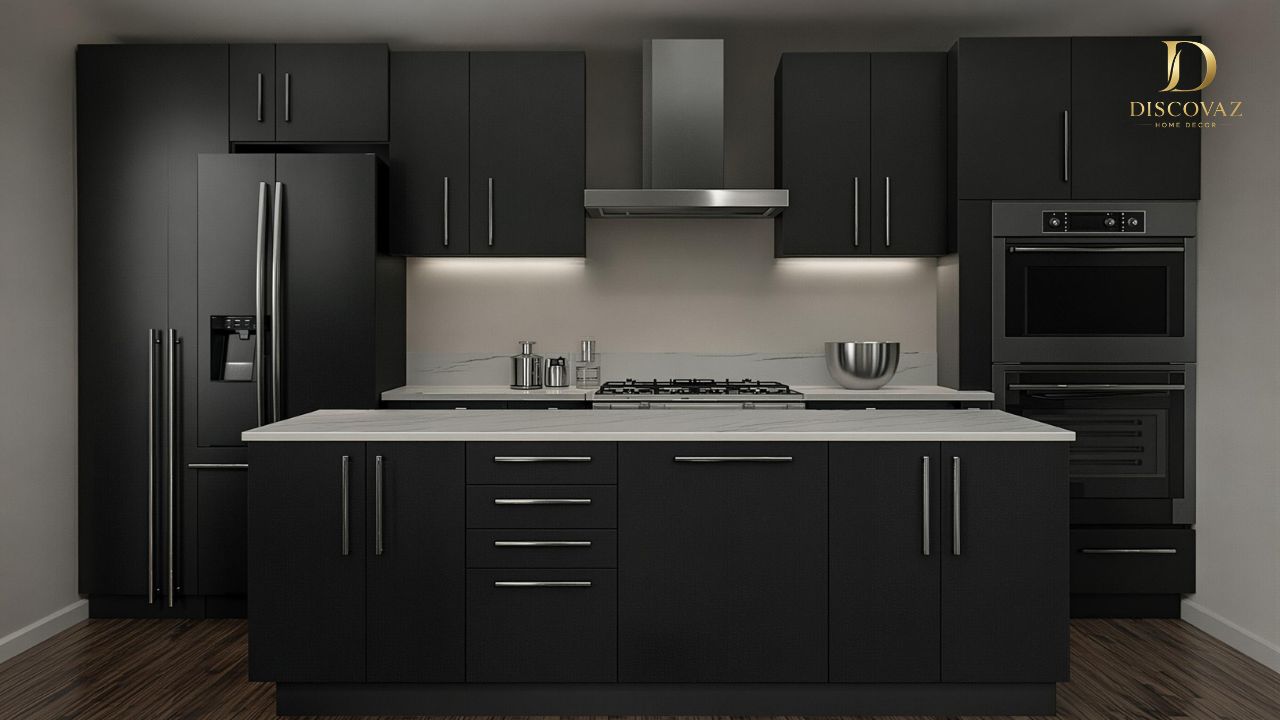
There’s something undeniably bold and sophisticated about a kitchen with black appliances. It instantly shifts a space from ordinary to striking, creating a sense of depth and modern elegance that lighter finishes often can’t match. If you’ve ever walked into a kitchen and felt that “wow” factor without knowing exactly why, chances are black elements played a big role.
But here’s the thing—designing a kitchen like this isn’t as simple as swapping out your fridge and oven. Done right, it looks intentional, cohesive, and high-end. Done poorly, it can feel heavy or mismatched. That’s why understanding how to balance colors, textures, and lighting is critical.
Whether you’re renovating, upgrading, or just exploring ideas, this guide will break down exactly how to make black appliances work beautifully in your kitchen.
Why Choose a Kitchen with Black Appliances?
Black appliances aren’t just a trend—they’re a design statement. They bring a level of contrast and drama that few other finishes can achieve.
Timeless Appeal Meets Modern Edge
Unlike stainless steel, which can feel overly commercial, black appliances offer a softer yet still modern look. They blend seamlessly with both contemporary and traditional designs, making them incredibly versatile.
Practical Advantages You Shouldn’t Ignore
Let’s be honest—function matters just as much as style. Black appliances:
- Hide fingerprints better than stainless steel
- Show fewer smudges and water spots
- Require less frequent cleaning
- Maintain their look over time
That alone makes them a smart choice for busy households.


Designing Around Black Appliances
This is where most people get it wrong. Black appliances shouldn’t feel like an afterthought—they should anchor the design.
Balance Is Everything
Black is a dominant color. If you overuse it, your kitchen can feel dark and cramped. The solution? Contrast.
Pair black appliances with:
- Light cabinetry (white, cream, soft gray)
- Natural wood finishes
- Bright countertops like quartz or marble
This creates visual balance and keeps the space feeling open.
Use Texture to Add Depth
Flat black surfaces can feel dull if not balanced properly. Introduce texture through:
- Matte vs glossy finishes
- Wood grain cabinets
- Stone countertops
- Tile backsplashes
This prevents the kitchen from looking flat or lifeless.
Best Color Combinations for a Kitchen with Black Appliances
Choosing the right color palette is where design either succeeds or fails.
Black and White: The Classic Duo
You can’t go wrong here. White cabinets paired with black appliances create a clean, high-contrast look that feels both modern and timeless.
Black and Wood: Warm and Inviting
If you want something less stark, combine black appliances with warm wood tones. This softens the overall look and adds natural warmth.
Black and Gray: Sleek and Contemporary
Gray tones create a monochromatic palette that feels ultra-modern. This works especially well in minimalist homes.


Lighting: The Secret Weapon
Here’s the brutal truth—most kitchens fail because of poor lighting, not bad design.
Why Lighting Matters More with Black Appliances
Black absorbs light. If your kitchen doesn’t have enough illumination, it will feel smaller and darker than it actually is.
Smart Lighting Strategies
- Install under-cabinet lighting to brighten workspaces
- Use pendant lights over islands
- Add recessed ceiling lights for overall brightness
- Consider warm lighting to soften the contrast
Good lighting turns black appliances from “heavy” to “luxurious.”
Cabinet Styles That Work Best
Not all cabinets pair well with black appliances. You need to choose wisely.
Shaker Cabinets
Simple, clean, and timeless. They work perfectly in both modern and transitional kitchens.
Flat-Panel Cabinets
Ideal for a sleek, minimalist look. These enhance the modern vibe of black appliances.
Glass-Front Cabinets
These help break visual heaviness by adding openness and display space.
Countertops That Complement Black Appliances
Your countertop choice can make or break the entire kitchen.
Best Options
- White Quartz: Brightens the space and adds contrast
- Marble: Adds elegance and natural veining
- Concrete: Great for industrial-style kitchens
- Butcher Block: Adds warmth and texture
What to Avoid
- Extremely dark countertops (they can make the space feel too heavy)
- Busy patterns that clash with the boldness of black
Small Kitchen? Here’s the Reality
A lot of people assume black appliances won’t work in small kitchens. That’s not entirely true—but you need to be strategic.
How to Make It Work
- Stick to lighter wall colors
- Use reflective surfaces (glass, glossy tiles)
- Keep upper cabinets light or open
- Limit the number of dark elements
Done right, even a compact kitchen with black appliances can feel spacious.

Common Mistakes to Avoid
Let’s cut through the fluff—these are the mistakes that ruin the look:
- Too much black: Overloading the space makes it feel cramped
- Poor lighting: This is the biggest design killer
- Ignoring contrast: Everything blending together = boring
- Cheap finishes: Black highlights imperfections more than other colors
If you avoid these, you’re already ahead of most homeowners.
Styling Tips That Actually Work
You don’t need a huge budget to make your kitchen look premium.
Add Strategic Accents
- Brass or gold hardware for contrast
- Green plants for freshness
- Open shelving with curated items
Keep It Clean
Clutter stands out more in darker kitchens. Keep surfaces minimal and intentional.
Budget vs Luxury: What Changes?
The difference isn’t just money—it’s execution.
Budget-Friendly Approach
- Mix black appliances with affordable cabinetry
- Focus on lighting and layout
- Use peel-and-stick backsplashes if needed
High-End Approach
- Integrated appliances
- Custom cabinetry
- Premium stone countertops
- Designer lighting fixtures
The core design principles stay the same—you’re just upgrading materials.
FAQs
Frequently Asked Questions
Is a kitchen with black appliances outdated?
No. It’s actually gaining popularity again, especially in modern and minimalist designs.
Do black appliances make a kitchen look smaller?
They can—but only if lighting and contrast are poorly handled.
What cabinet color works best with black appliances?
White, light gray, and natural wood tones work best for balance.
Are black appliances harder to maintain?
No. They actually hide fingerprints and smudges better than stainless steel.
Can I mix black appliances with stainless steel?
Yes, but it must be done intentionally. Mixing randomly looks messy.
What backsplash works best?
Subway tiles, marble slabs, or textured tiles all complement black appliances well.
Do black appliances scratch easily?
Not necessarily, but matte finishes tend to hide minor scratches better.
Are black appliances good for resale value?
Yes—if the overall kitchen design is cohesive and modern.
Conclusion
A well-designed kitchen with black appliances isn’t just about aesthetics—it’s about balance, intention, and smart choices. Black brings drama, contrast, and sophistication, but only when it’s supported by the right elements around it.
If you approach it carelessly, it’ll feel heavy and outdated. If you approach it strategically—with proper lighting, balanced colors, and thoughtful materials—you’ll end up with a kitchen that looks high-end, modern, and effortlessly stylish.
The difference isn’t the appliances. It’s how you design around them.