
Introduction
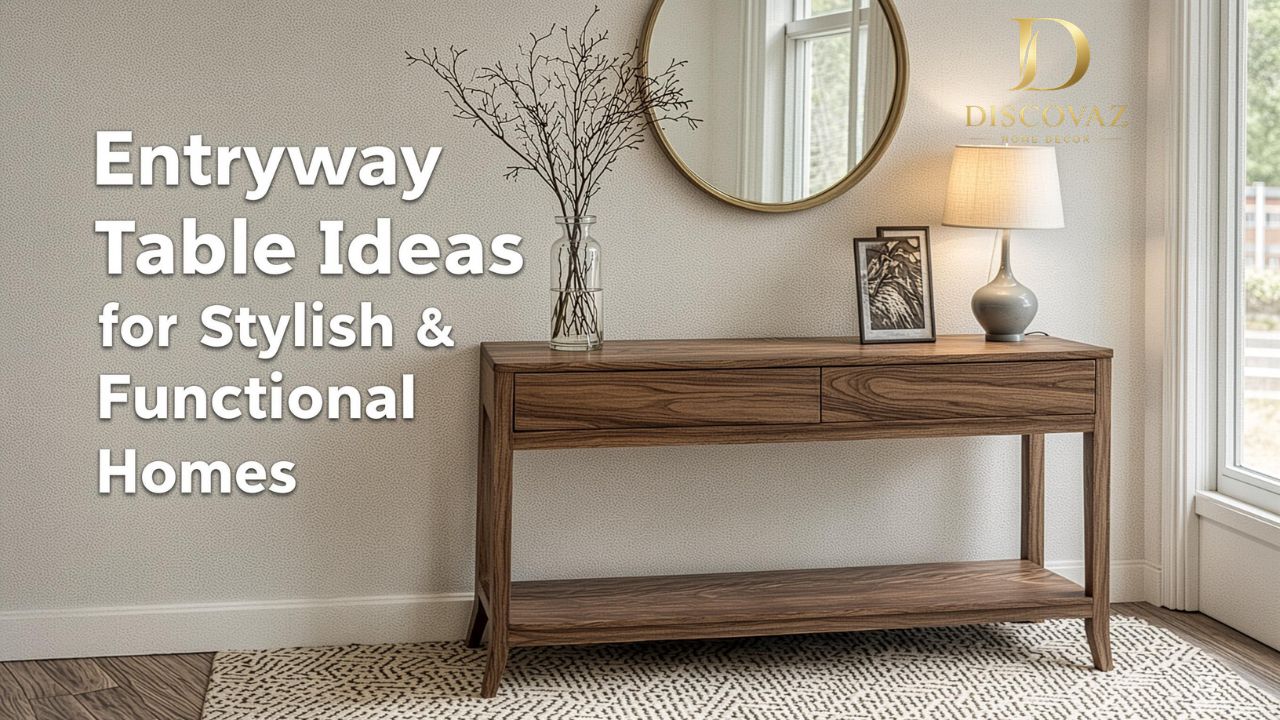
The moment someone steps into your home, they form an impression—and more often than not, that impression begins with your entryway table. It’s not just a piece of furniture; it’s the handshake of your home’s personality.
Whether your space is grand or compact, this single element can define functionality, aesthetics, and organization all at once. From holding your keys to showcasing your style, it plays a bigger role than most people realize.
But here’s the problem: most people either underuse or overdecorate it. The result? Cluttered chaos or wasted potential. If you want your home to feel intentional and well-designed, mastering this piece is non-negotiable.

What Is an Entryway Table and Why It Matters
An entryway table is a narrow table typically placed near the entrance of a home. It serves both functional and decorative purposes, bridging the gap between practicality and style.
Why It’s Essential in Modern Homes
- Creates a strong first impression
- Provides a drop zone for daily essentials
- Enhances organization in high-traffic areas
- Acts as a decorative focal point
Many homeowners underestimate its value. But in reality, this piece can solve everyday friction—like misplaced keys or clutter—while elevating your entire interior design.
Choosing the Right Entryway Table for Your Space
Not all homes are built the same, and neither should your furniture choices be. Selecting the right entryway table depends on space, layout, and usage.
Consider Your Space First
Measure your entryway before anything else. This isn’t optional. Too large, and it overwhelms the area. Too small, and it looks awkward.
Key rules:
- Maintain at least 30–36 inches of walking space
- Depth should be between 10–15 inches for tight areas
- Width should align proportionally with wall size
Match Function with Design
Ask yourself:
- Do you need storage?
- Is it purely decorative?
- Will it hold heavy items?
If storage is your priority, go for drawers or shelves. If aesthetics matter more, a sleek console works better.
Entryway Table Styles That Actually Work
Trends come and go, but functionality never does. Choosing the right style ensures longevity.
Minimalist Design
Clean lines, neutral tones, and zero clutter. Perfect for modern homes.
- Thin metal frames
- Light wood finishes
- Limited décor elements
Rustic & Farmhouse
Warm, inviting, and practical.
- Solid wood construction
- Distressed finishes
- Woven baskets underneath
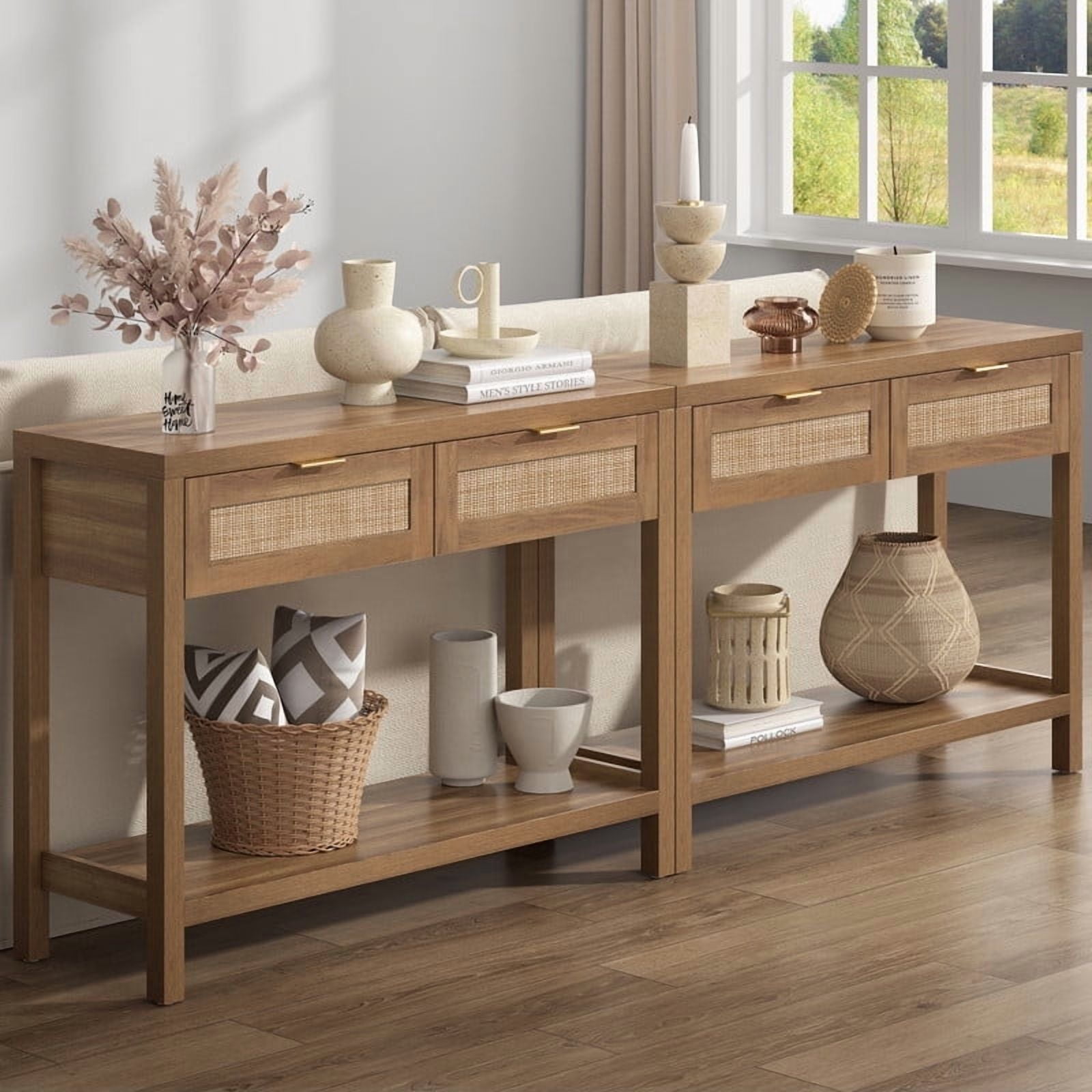
Contemporary Statement Pieces
Bold and artistic.
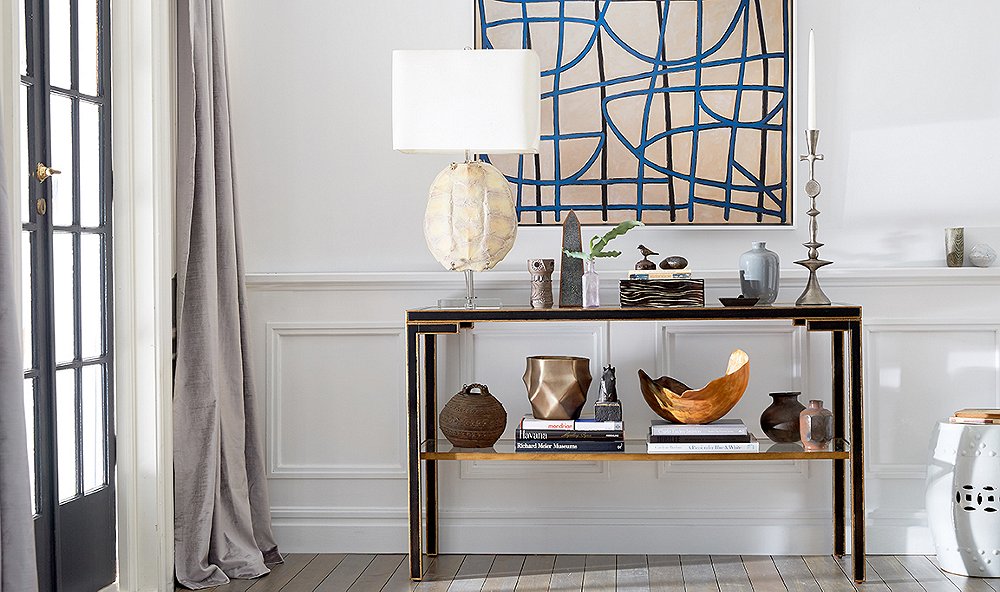
- Marble tops
- Sculptural bases
- Unique geometric designs
The mistake most people make? Choosing style over practicality. You need both.
How to Style an Entryway Table Like a Pro
A poorly styled surface looks messy. An overstyled one feels forced. Balance is everything.
The Rule of Three
Group items in odd numbers for visual balance.
Example:
- Lamp
- Vase
- Decorative object
Layering Adds Depth
- Use varying heights
- Mix textures (wood, glass, metal)
- Add vertical elements like mirrors
Must-Have Styling Elements
- Mirror or artwork above
- Functional tray for essentials
- Greenery for freshness
- Lighting for ambiance
Storage Solutions That Maximize Functionality
This is where most setups fail. A good entryway table isn’t just pretty—it works hard.
Smart Storage Ideas
- Drawers for keys, wallets, and mail
- Baskets underneath for shoes or bags
- Hooks nearby for coats
Hidden Storage Tricks
- Ottomans under the table
- Foldable bins
- Wall-mounted organizers
If your entryway is cluttered, it’s not a space problem—it’s a system problem.
Entryway Table for Small Spaces
Limited space doesn’t mean limited potential. It just requires smarter decisions.
Best Options for Compact Areas
- Wall-mounted tables
- Slim console tables
- Floating shelves
Space-Saving Tips
- Use vertical décor instead of wide pieces
- Install mirrors to create depth
- Keep décor minimal
A small entryway should feel intentional, not cramped.
Entryway Table Decor Mistakes to Avoid
Let’s be blunt—most people get this wrong.
Common Errors
- Overcrowding the surface
- Ignoring functionality
- Using mismatched décor
- Poor lighting choices
The Reality
If it looks messy, it is messy. No amount of “style” can fix poor organization.
Budget vs Luxury: What’s Actually Worth It?
You don’t need to overspend—but you shouldn’t go cheap in the wrong places either.

Where to Save
- Decorative accessories
- Seasonal items
Where to Invest
- Table quality (durability matters)
- Lighting fixtures
- Storage functionality
A cheap table that breaks in a year costs more than a solid one that lasts five.
Seasonal Styling Ideas
Switching décor throughout the year keeps your space fresh.
Spring & Summer
- Light colors
- Fresh flowers
- Natural textures
Fall & Winter
- Warm tones
- Candles
- Textured fabrics
Small changes, big impact.
FAQ
Frequently Asked Questions
What size should an entryway table be?
It should be proportional to your wall and leave enough walking space—typically 30–36 inches clearance.
Can an entryway table be used in other rooms?
Yes, it works well in living rooms, behind sofas, or even bedrooms as a console.
How do I keep my entryway table organized?
Use trays, drawers, and baskets to assign specific spots for everyday items.
Is a mirror necessary above an entryway table?
Not mandatory, but highly recommended for both aesthetics and functionality.
What materials are best for durability?
Solid wood, metal, and high-quality engineered wood are reliable options.
How often should I restyle my entryway table?
Seasonally or whenever your décor starts feeling stale.
Can I use a desk as an entryway table?
Yes, as long as the proportions fit your space and it doesn’t overwhelm the area.
What lighting works best for entryways?
Table lamps or wall sconces with warm light create a welcoming atmosphere.
Conclusion
If your entryway feels unfinished or chaotic, the problem isn’t your home—it’s your setup. A well-chosen and properly styled entryway table can instantly transform how your space looks and functions.
Stop treating it as an afterthought. This is one of the highest-impact areas in your home, and getting it right sets the tone for everything else.
Fix the basics, eliminate clutter, and design with intention. That’s how you turn a simple surface into something that actually works.