Introduction
Walk into any beautifully designed home, and you instantly feel something—calm, energy, warmth, or even inspiration. That feeling isn’t accidental. It’s the result of carefully chosen interior design styles that shape how a space looks and functions.
Understanding different interior design styles isn’t just for designers or architects. It matters because your environment directly impacts your mood, productivity, and even your lifestyle choices. Whether you’re setting up a new home or refreshing an old one, knowing your style helps you avoid costly mistakes and create a space that actually feels like you.
The challenge? There are dozens of styles out there, and most people mix them blindly without understanding what works. This guide breaks everything down clearly so you can make smart, intentional decisions.

What Are Interior Design Styles?
Interior design styles are distinct approaches to decorating and organizing a space. Each style has its own color palette, materials, textures, and layout principles.
In simple terms, a design style is a “system” that tells you:
- What kind of furniture to use
- Which colors dominate
- How much clutter (or lack of it) is acceptable
- The overall vibe (cozy, luxurious, minimal, etc.)
Most homes today aren’t purely one style—they’re a blend. But if you don’t understand the base styles, your space ends up looking random instead of curated.

Popular Interior Design Styles You Should Know
Modern Interior Design Style
Modern design is often confused with contemporary—but they’re not the same. Modern refers to a specific design movement (early–mid 20th century).
Key features:
- Clean lines
- Neutral colors (white, black, gray)
- Functional furniture
- Minimal decoration
This style works best for people who hate clutter and value simplicity over decoration.
Contemporary Interior Design Style
Contemporary design evolves with trends. What’s “contemporary” today might change in five years.
Core elements:
- Open spaces
- Neutral base + bold accents
- Mixed materials (metal, glass, wood)
- Smart lighting
If you like staying current and flexible, this is one of the most adaptable interior design styles.
Minimalist Interior Design Styles Explained
Minimalism isn’t just “less stuff”—it’s intentional design.
It focuses on:
- Only essential furniture
- Open, breathable spaces
- Monochrome palettes
- Hidden storage
The biggest mistake people make? Thinking minimalism is cheap. Done right, it actually requires high-quality pieces because every item stands out.

Traditional Interior Design Style
Traditional style is rooted in classic European decor. It’s structured, elegant, and predictable.
Key traits:
- Rich wood furniture
- Symmetry in layout
- Warm colors (beige, brown, gold)
- Decorative details (moldings, patterns)
This style appeals to people who prefer timelessness over trends.
Transitional Interior Design Style
Think of this as the “middle ground” between modern and traditional.
It combines:
- Clean lines (modern)
- Warm textures (traditional)
- Neutral color palettes
- Comfortable furniture
If you’re confused between styles, transitional is the safest choice.
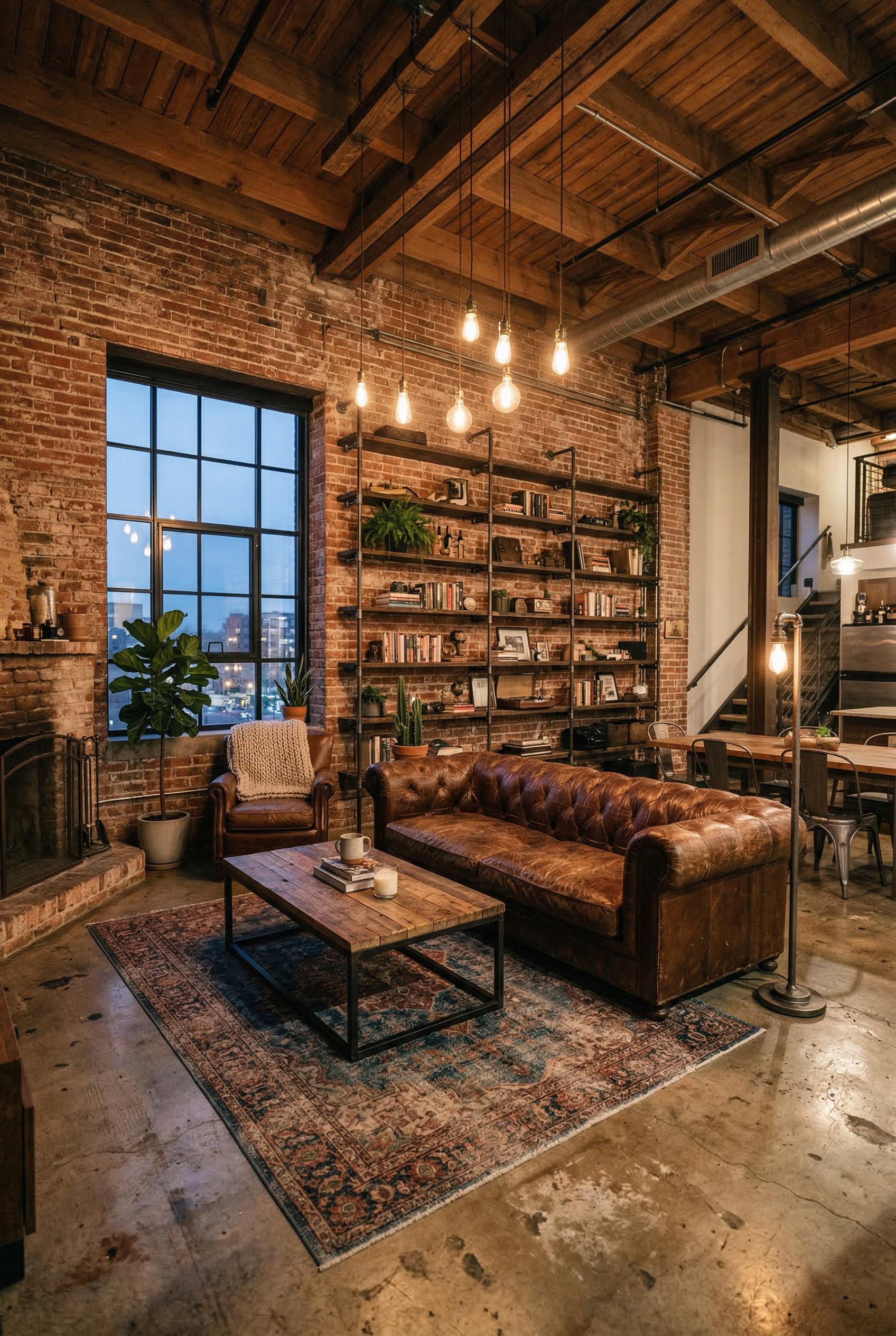
Industrial Interior Design Styles
Inspired by warehouses and factories, industrial design is raw and unfinished.
Features include:
- Exposed brick walls
- Metal fixtures
- Open ceilings
- Dark color tones
This style is popular in urban apartments and lofts.
Scandinavian Interior Design Style
Scandinavian design focuses on simplicity, functionality, and warmth.
Characteristics:
- Light colors (white, soft gray)
- Natural materials (wood, linen)
- Cozy textures (throws, rugs)
- Minimal clutter
This style is perfect for small spaces because it makes rooms feel bigger and brighter.
Bohemian (Boho) Interior Design Style
Boho is the opposite of minimalism. It’s expressive, layered, and personal.
Key elements:
- Mixed patterns
- Vibrant colors
- Plants and greenery
- Handmade or vintage items
The danger here is going overboard. Without control, it quickly turns messy instead of artistic.
Farmhouse Interior Design Style
Farmhouse style blends rustic charm with modern comfort.
Features:
- Wooden textures
- Neutral tones
- Vintage accents
- Cozy, practical furniture
Modern farmhouse is currently one of the most in-demand interior design styles in the market.
Luxury Interior Design Styles
Luxury design is about quality, not just appearance.
You’ll notice:
- Premium materials (marble, velvet, leather)
- Statement lighting (chandeliers)
- Custom furniture
- Spacious layouts
The mistake most people make is copying “luxury looks” cheaply—it ends up looking fake. Real luxury is subtle.
How to Choose the Right Interior Design Style
This is where most people fail—they pick styles based on trends, not lifestyle.
Here’s a practical framework:
1. Define Your Lifestyle
- Do you entertain guests often?
- Do you have kids or pets?
- Do you work from home?
Your answers should eliminate unsuitable styles immediately.
2. Understand Your Space
Small spaces need:
- Light colors
- Minimal furniture
Large spaces can handle:
- Dark tones
- Statement pieces
3. Set a Budget
Different interior design styles require different investments:
- Minimalist → fewer but high-quality items
- Boho → more decorative pieces
- Luxury → expensive materials
4. Start With One Base Style
Don’t mix randomly. Pick one dominant style, then blend carefully.
Common Mistakes People Make

Let’s be blunt—most homes look average because of these mistakes:
- Mixing too many interior design styles without direction
- Buying trendy furniture instead of timeless pieces
- Ignoring lighting (huge mistake)
- Overdecorating small spaces
- Copying Pinterest without understanding context
Fix these, and your space instantly improves.
How to Mix Interior Design Styles the Right Way
You don’t need to stick to one style—but you need structure.
Use this formula:
- 70% dominant style
- 20% secondary style
- 10% accent style
Example:
- 70% Scandinavian
- 20% Industrial
- 10% Boho
This creates balance instead of chaos.
Interior Design Styles for Small Spaces
Small homes require strategy, not just decoration.
Best styles:
- Minimalist
- Scandinavian
- Modern
Avoid:
- Heavy traditional furniture
- Overly dark palettes
- Clutter-heavy styles like excessive boho
Interior Design Styles for E-Commerce Sellers (Real Insight)
If you’re in e-commerce, especially home decor, here’s what actually sells:
- Minimalist products → high demand, easy branding
- Scandinavian decor → trending globally
- Farmhouse items → strong in US/UK markets
- Luxury-inspired items → high margins if positioned correctly
What doesn’t work:
- Random product catalogs without a clear style identity
- Mixing cheap and premium products in one store
Pick a niche style and dominate it.

FAQ
Frequently Asked Questions
What are the most popular interior design styles right now?
Minimalist, Scandinavian, modern farmhouse, and contemporary styles dominate the market due to their versatility and clean aesthetics.
Can I mix different interior design styles in one home?
Yes, but you need balance. Stick to a dominant style and blend others in smaller proportions.
Which interior design style is best for small homes?
Minimalist and Scandinavian styles work best because they maximize space and light.
Is modern the same as contemporary design?
No. Modern refers to a specific historical style, while contemporary changes with trends.
What is the easiest style to start with?
Transitional design is the easiest because it blends traditional and modern elements.
Which interior design styles are budget-friendly?
Minimalist and boho styles can be budget-friendly depending on execution.
How do I know my personal design style?
Look at what you naturally prefer—colors, furniture, layouts—and identify patterns.
Are luxury interior design styles worth it?
Only if you invest in real materials and quality. Fake luxury looks cheap quickly.
Conclusion
Most people overcomplicate design, but the truth is simple: clarity beats creativity. When you understand different interior design styles, you stop guessing and start making intentional choices.
Pick a direction, commit to it, and refine over time. That’s how spaces go from average to exceptional.