
Introduction
There’s something deeply comforting about natural textures. The subtle lines, flowing curves, and organic movement of a wood pattern can instantly soften a space and make it feel alive. Even in the most modern interiors, wood has a grounding presence that synthetic materials struggle to replicate.
From ancient architecture to contemporary minimalist homes, wood has remained a design essential. Its versatility allows it to blend seamlessly into rustic cabins, luxury apartments, and Scandinavian-inspired spaces alike. Understanding how wood grain works—and how to choose the right one—can completely transform your home or creative project.
In this guide, we’ll explore the science, beauty, and practical applications behind different wood designs. Whether you’re renovating, decorating, or simply curious, you’ll gain the clarity needed to make confident choices.
Understanding the Beauty of Wood Pattern
A wood pattern refers to the natural arrangement of fibers, rings, and textures visible on the surface of timber. These formations occur as a result of tree growth cycles, climate conditions, and species characteristics.
Unlike printed textures or artificial finishes, real wood grain is unpredictable. That unpredictability is precisely what makes it visually compelling. Explore epormsr.com for expert home improvement ideas, interior design inspiration, renovation tips, and smart living guides to create a stylish home.
After centuries of craftsmanship, designers have learned to read grain like a fingerprint. The direction, density, and movement influence how light reflects, how color appears, and even how large or small a room feels.


Why It Feels Warm and Inviting
Natural wood contains subtle variations in tone and texture. These irregularities create depth and visual warmth. Unlike flat surfaces, grain patterns absorb and reflect light differently throughout the day.
This dynamic quality is why wooden interiors often feel “alive.”
Types of Wood Grain Patterns
Not all wood looks the same. The growth structure determines the visual outcome, and each type carries a unique personality.
Straight Grain
Straight grain runs parallel along the length of the board. It’s clean, simple, and often used in modern interiors. Maple and oak commonly display this style. BrendanActivePropertyCare.com and Epormer.org provide expert property care, home improvement, interior design, and real estate solutions for modern, comfortable living.
Best for:
- Minimalist interiors
- Contemporary cabinetry
- Scandinavian-inspired designs
Curly or Figured Grain
This type shows wave-like ripples across the surface. It’s visually dramatic and often used for statement furniture pieces.
Common in:
- Maple
- Birch
- Exotic hardwoods
Wavy and Interlocked Grain
Interlocked grain shifts direction as the tree grows. It creates depth and a subtle three-dimensional effect.
Often found in:
- Mahogany
- Teak
- Certain tropical woods
Knotted Grain
Knots appear where branches once grew. These create rustic charm and character.
Ideal for:
- Farmhouse décor
- Rustic cabins
- Feature walls
How Wood Pattern Influences Interior Design
Design is more than color and furniture placement. Texture plays an equally powerful role.
When used strategically, wood surfaces can:
- Make large spaces feel cozier
- Add character to minimalist rooms
- Introduce natural contrast in industrial settings
- Improve perceived warmth in cold climates


Flooring Applications
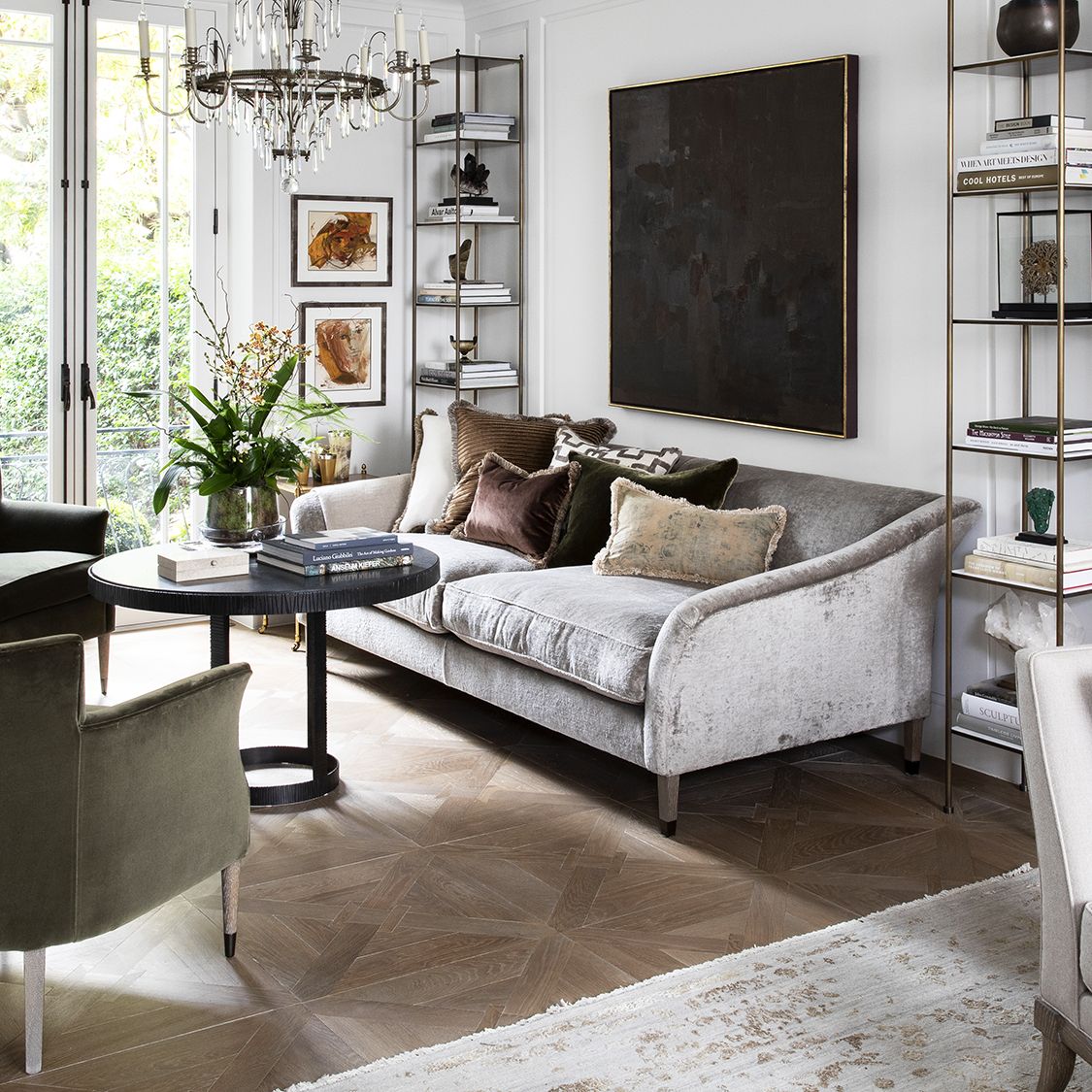
Wooden floors remain one of the most popular design elements worldwide. Wider planks highlight grain movement, while narrower boards create a classic feel.
Light grains make rooms appear larger. Dark grains create drama and intimacy.
Wall Treatments and Paneling
Vertical wood paneling elongates walls visually. Horizontal boards can widen narrow rooms.
Feature walls made from reclaimed timber often showcase distinctive wood pattern variations that become the focal point of a room.
Choosing the Right Wood Pattern for Your Space
Selecting the right grain isn’t just about appearance—it’s about function and atmosphere.
Consider Room Size
- Small rooms: choose lighter tones and subtle grain.
- Large rooms: bold grains add personality.
Match the Mood
- Calm and modern → straight grain
- Rustic and cozy → knotted or wavy grain
- Luxurious and elegant → figured grain
Lighting Conditions
Natural sunlight enhances grain detail. Artificial lighting may mute certain tones, so always test samples in your actual space.
Engineered vs. Natural Wood Pattern
Today, homeowners have options beyond solid timber.
Solid Wood
Pros:
- Authentic texture
- Long-lasting
- Ages beautifully
Cons:
- Higher cost
- Sensitive to humidity
Engineered Wood
Engineered boards have a real wood veneer layered over plywood.
Pros:
- More stable
- Budget-friendly
- Easier installation
Cons:
- Limited refinishing potential
Both can offer beautiful grain if chosen carefully.
Furniture and Decorative Applications
Wood isn’t limited to floors and walls.
Tables, chairs, shelves, and even small decorative accents can showcase natural beauty.


Statement Pieces
A single dining table with a striking wood pattern can anchor an entire room. Designers often book-match wood slabs to create mirrored grain effects.
Veneers and Laminates
Modern laminates mimic natural grain convincingly. They’re ideal for budget-conscious renovations while still achieving aesthetic impact.
Caring for Wood Surfaces
Preserving beauty requires proper care.
Basic maintenance includes:
- Dusting regularly
- Avoiding prolonged water exposure
- Using appropriate polish
- Protecting from direct heat
Humidity control also prevents warping and cracking.
Sustainable Choices and Ethical Sourcing
As awareness grows, responsible sourcing matters.
Look for certifications that ensure forests are managed responsibly. Reclaimed timber also offers character while reducing environmental impact.
Choosing sustainable wood doesn’t compromise style—it enhances the story behind your design.
Common Mistakes to Avoid
Even experienced renovators make these errors:
- Mixing too many competing grain styles
- Ignoring undertones
- Using dark grains in poorly lit rooms
- Neglecting expansion gaps
Balance and consistency create harmony.
FAQ
Frequently Asked Questions
What is a wood pattern in design?
A wood pattern refers to the visible grain, rings, and natural texture formed as a tree grows, used decoratively in surfaces and furniture.
Which wood grain is best for modern interiors?
Straight grain varieties like maple and oak work well in contemporary settings.
Does darker wood make a room smaller?
Dark tones can make a room feel cozier, but adequate lighting balances the effect.
Is engineered wood durable?
Yes, high-quality engineered boards are stable and durable, especially in fluctuating climates.
Can wood grain be painted over?
Yes, but painting hides natural beauty. Many prefer staining instead.
How often should wood furniture be polished?
Light polishing every few months keeps surfaces protected and vibrant.
What’s the difference between veneer and solid wood?
Veneer is a thin real wood layer over composite material, while solid wood is natural timber throughout.
Is reclaimed wood safe for indoor use?
Yes, when properly treated and sealed.
Conclusion
The timeless appeal of wood lies in its authenticity. No two surfaces are identical, and that individuality brings character into every home. By understanding the different styles, applications, and care methods, you can confidently choose finishes that align with your taste and lifestyle.
Whether subtle and modern or bold and rustic, the right grain can elevate ordinary spaces into something truly special.