
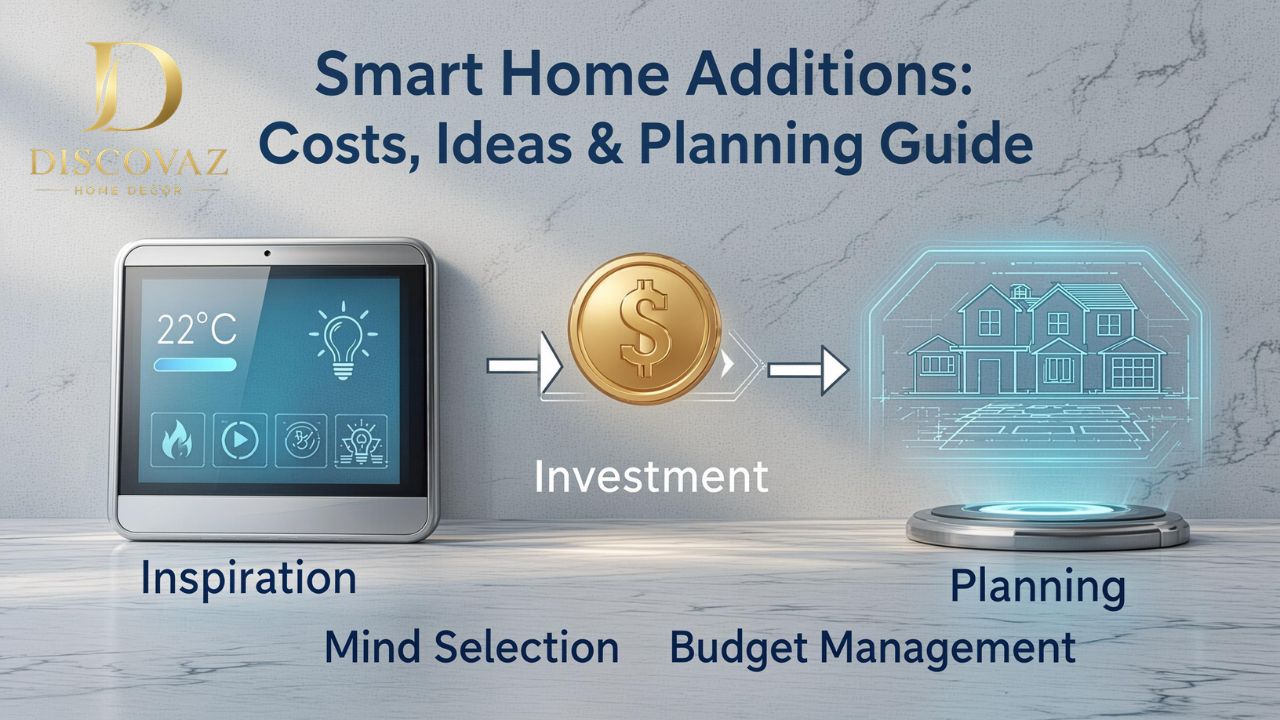
Introduction
You love your home—but sometimes it simply doesn’t love you back. Maybe the kitchen feels cramped, the kids are sharing rooms, or working from the dining table has become your new normal. That’s when many homeowners begin seriously considering home additions as a practical, long-term solution.
Expanding your living space is about more than square footage. It’s about comfort, functionality, and future-proofing your investment. Whether you’re adding a new bedroom, building up with a second story, or extending your kitchen into the backyard, the right approach can transform how your home feels and functions every single day.
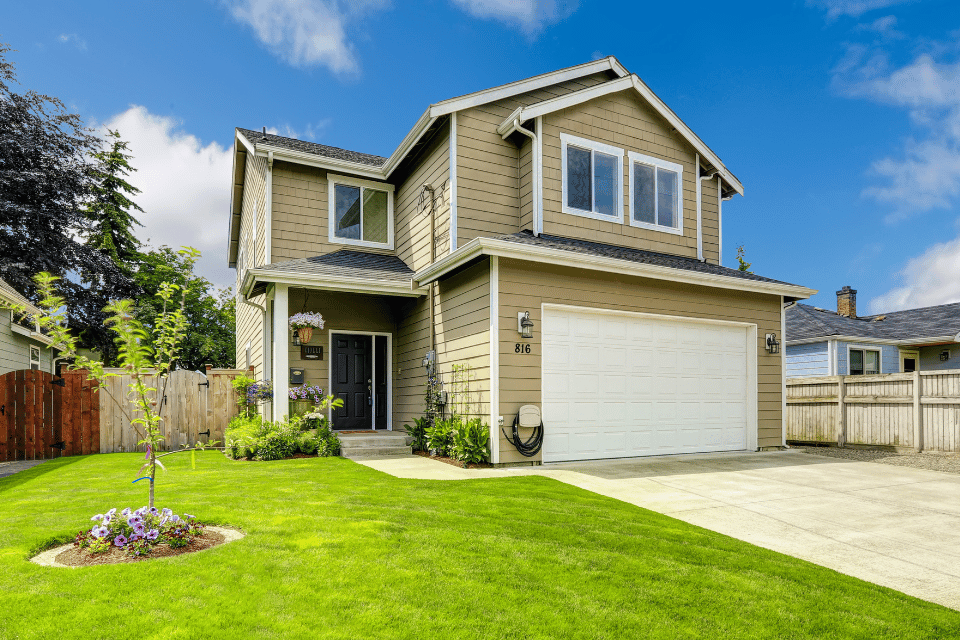
In this guide, you’ll discover what truly matters when planning an addition—from budgeting and design ideas to permits, timelines, and resale value. If you’re dreaming bigger for your space, this is where you start.
Understanding Home Additions: What They Really Mean
At its core, a home addition is any structural expansion that increases the livable area of your house. Unlike cosmetic remodeling, additions physically change the footprint or height of your property.
There are several types, each serving different needs:
- Room additions (bedrooms, offices, bathrooms)
- Bump-outs (small extensions to enlarge an existing room)
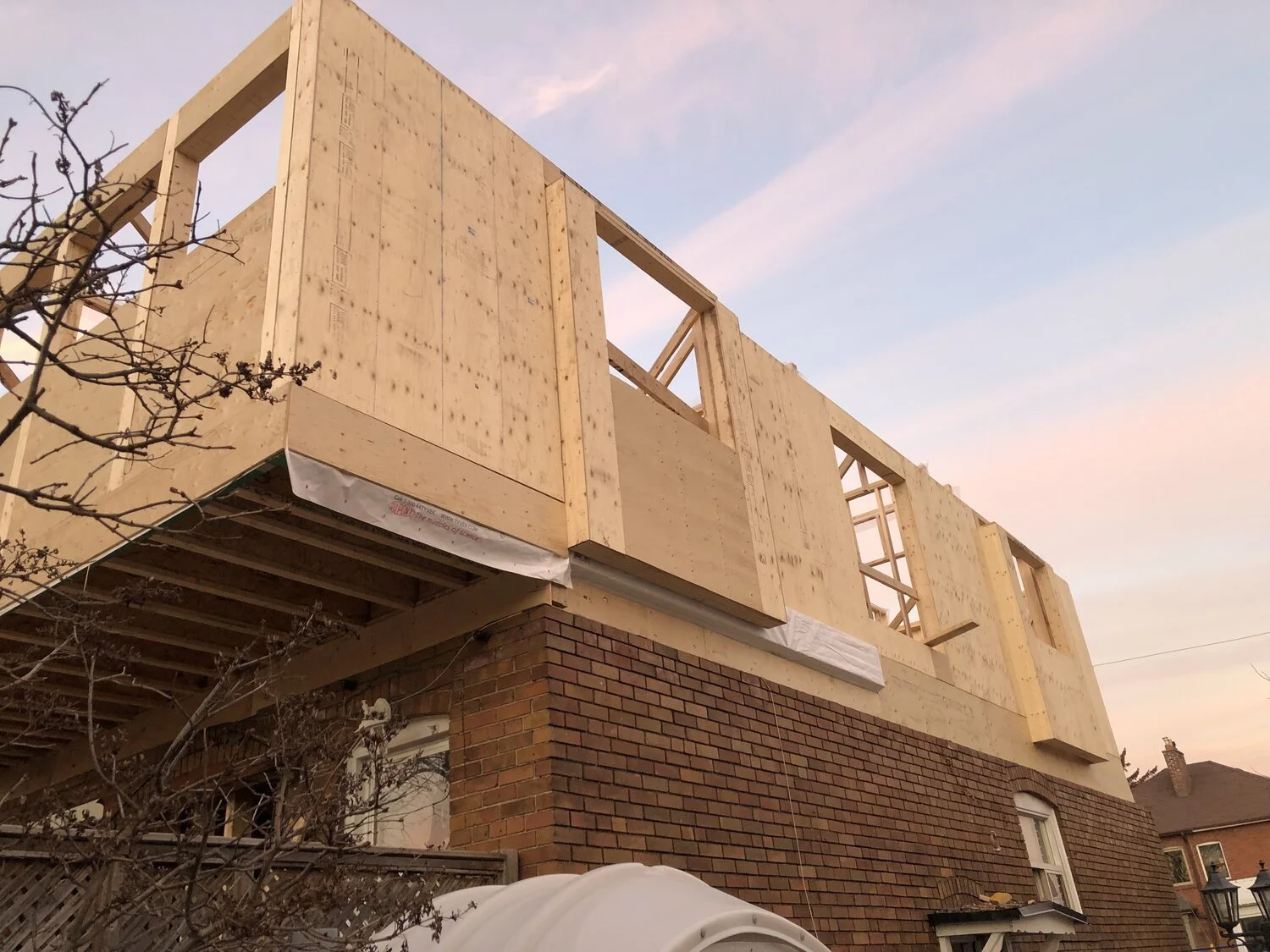
- Second-story additions
- Garage conversions
- Sunrooms or enclosed patios
- Accessory dwelling units (ADUs)

Choosing the right type depends on your budget, lot size, zoning laws, and long-term goals. Some families want immediate breathing room. Others think strategically about rental income or aging in place.
Why Homeowners Choose to Expand Instead of Move
Moving may seem simpler—but it’s often far more expensive and disruptive. Between agent fees, closing costs, relocation expenses, and rising property prices, upgrading your current house can be financially smarter.
Financial Advantages
- Avoid real estate transaction costs
- Potentially increase property value
- Customize to your exact needs
- Stay in a neighborhood you already love
Lifestyle Benefits
- Preserve school districts and community ties
- Avoid the stress of house hunting
- Design space tailored to your routine
For many families, the emotional connection to their home outweighs the appeal of a new address.
Planning Home Additions Step by Step
The difference between a smooth project and a stressful one lies in planning. Expanding your home without preparation can quickly spiral into delays and budget overruns.
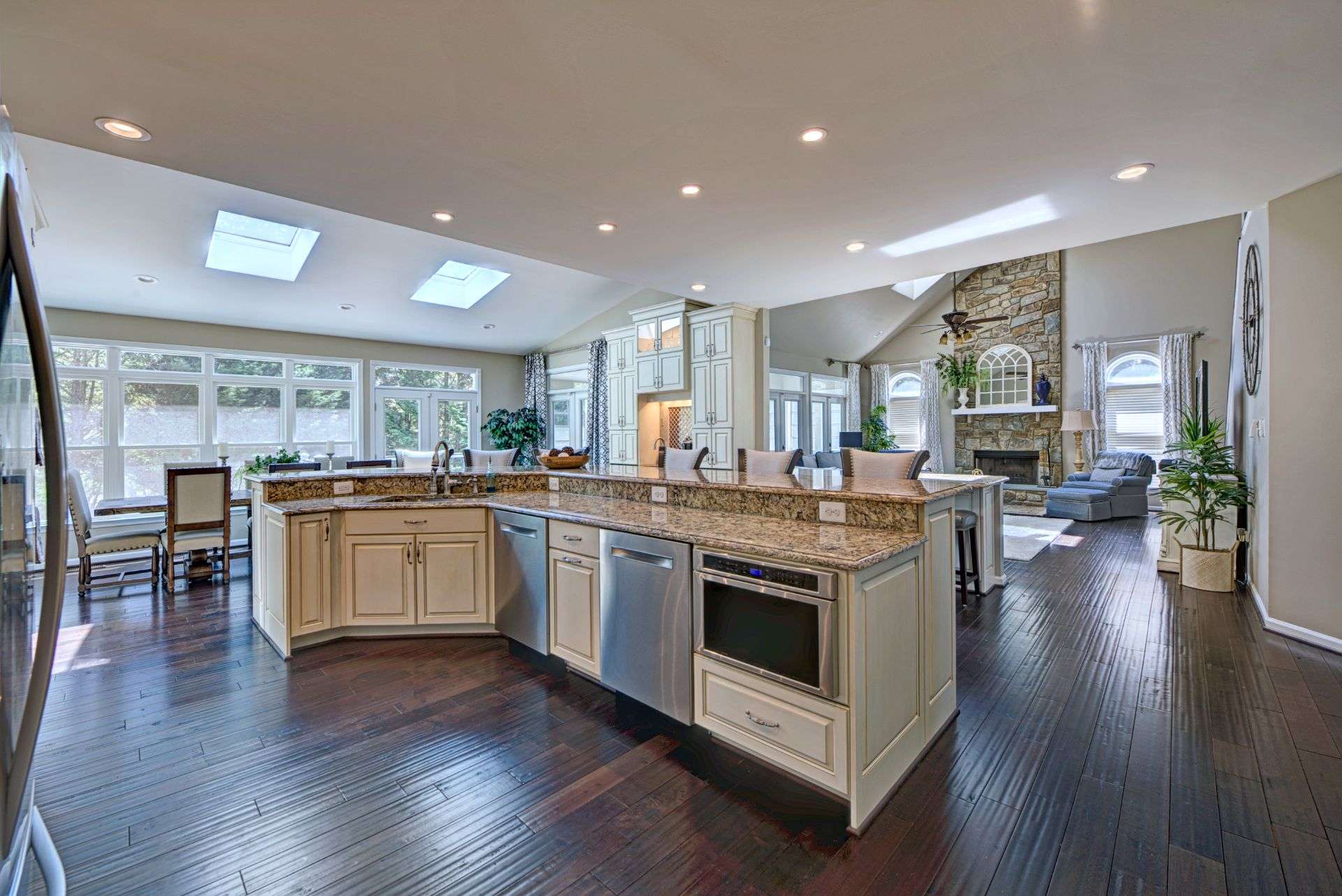
1. Clarify Your Goals
Ask yourself:
- Why do we need more space?
- Is this a short-term or long-term solution?
- Will this improve daily life or just add square footage?
Be specific. “More space” is vague. “A quiet home office with natural light” is clear.
2. Set a Realistic Budget
Costs vary widely depending on:
- Location
- Materials
- Labor rates
- Structural complexity
- Utility extensions
On average, homeowners may spend anywhere from $80 to $300 per square foot, depending on the project type and finish level.

Always allocate:
- 10–20% contingency fund
- Permit and inspection fees
- Design and architectural services
Unexpected costs aren’t rare—they’re normal.
Design Considerations That Make or Break the Project
A successful addition feels seamless, not like an afterthought glued to the house.
Architectural Harmony
Your new space should:
- Match rooflines
- Complement exterior materials
- Align window proportions
- Flow naturally from existing rooms

When done correctly, visitors shouldn’t immediately spot where the old structure ends and the new one begins.
Structural Integrity
Depending on the project, you may need:
- Foundation reinforcement
- Load-bearing wall adjustments
- HVAC system upgrades
- Plumbing extensions
Second-story expansions, especially, require structural analysis to ensure the existing foundation can handle additional weight.
Popular Types of Home Additions and When to Choose Them
Every household has different needs. Here are the most common expansion options and what they’re best suited for.
Room Additions
Ideal for:
- Growing families
- Guest bedrooms
- Dedicated home offices
This type extends outward and is often the most straightforward option.
Bump-Out Extensions
These smaller expansions typically add:
- 2–10 feet to a room
- Kitchen space for an island
- Bathroom square footage for a soaking tub
They cost less than full-scale additions but still improve functionality.
Second-Story Additions
Best when:
- Lot space is limited
- You want to double square footage
- You need multiple new rooms
This option is more complex but dramatically increases living area.
Garage Conversions
If your garage is underused, converting it into:
- A studio
- A rental unit
- A playroom
can be cost-effective compared to building from scratch.
Permits, Zoning, and Legal Requirements
Ignoring permits can cost you heavily later.
Before starting construction, check:
- Local zoning restrictions
- Property line setbacks
- HOA regulations
- Height limitations
- Utility easements
Most municipalities require:
- Building permits
- Electrical inspections
- Plumbing inspections
- Structural approval
Working with licensed contractors simplifies compliance and prevents costly legal complications.
Timeline Expectations: How Long Does It Take?
While timelines vary, here’s a rough estimate:
- Planning & design: 1–3 months
- Permits & approvals: 1–2 months
- Construction: 3–6 months
Second-story builds may take longer due to structural complexity.
Weather delays, material shortages, and inspection scheduling can extend these timelines. Patience is part of the process.
Cost Factors That Influence Final Pricing
Several variables impact what you’ll ultimately spend:
- Square footage
- Custom finishes
- Structural modifications
- Site preparation
- Labor market conditions
Luxury features such as:
- Skylights
- High-end flooring
- Custom cabinetry
can significantly raise the final bill.
A clear contract with itemized costs protects both homeowner and contractor.
How Additions Impact Property Value
Well-designed expansions often increase resale value—but not all projects deliver equal returns.
Generally strong returns:
- Additional bedrooms
- Extra bathrooms
- Expanded kitchens
- Functional living space
Projects with lower ROI:
- Highly personalized spaces
- Overbuilding beyond neighborhood standards
Before proceeding, consider whether the added square footage aligns with comparable homes nearby.
Mistakes to Avoid When Expanding Your Home
Even well-intentioned projects can go wrong.
Common pitfalls include:
- Underestimating budget
- Skipping detailed contracts
- Choosing lowest bid over quality
- Ignoring neighborhood property values
- Overbuilding for the lot size
The goal isn’t just more space—it’s smart space.
Living Through Construction: What to Expect
Home expansion is disruptive. Noise, dust, limited access, and temporary utility shutoffs are common.
Prepare by:
- Setting up temporary living arrangements
- Protecting valuables
- Creating contractor access zones
- Communicating schedules clearly
Mental preparation is just as important as financial planning.
Sustainability and Energy Efficiency
Modern expansions offer an opportunity to improve overall efficiency.
Consider:
- Insulated windows
- Energy-efficient HVAC
- Solar-ready roofing
- LED lighting
- Smart thermostats
Long-term savings often justify slightly higher upfront investments.
FAQ
Frequently Asked Questions About Home Additions
How much do home additions typically cost?
Costs vary widely, but most projects range between $80 and $300 per square foot depending on design complexity and location.
Is it cheaper to build up or build out?
Building out is usually less complex, but lot size restrictions may make building up the better option.
Do additions always increase property value?
Not always. The return depends on design quality, neighborhood standards, and functionality.
How disruptive is construction?
Expect noise, dust, and temporary inconvenience for several months, depending on project scale.
Do I need an architect?
For structural expansions or second-story projects, professional design services are highly recommended.
How long does approval take?
Permit timelines vary but generally take 1–2 months depending on your municipality.
Can I live in my house during construction?
Often yes, but for major structural changes, temporary relocation may be safer and more comfortable.
What’s the biggest hidden cost?
Unexpected structural repairs, outdated wiring, or foundation issues can add unforeseen expenses.
Conclusion
Expanding your home is a bold decision—but when done thoughtfully, it can completely transform how you live. The right addition blends seamlessly with your existing structure, supports your lifestyle, and enhances long-term value.
Whether you need a peaceful home office, an extra bedroom, or a dramatic second story, the key is planning carefully and building wisely. With clear goals, realistic budgeting, and trusted professionals, your vision can become a functional, beautiful extension of the place you already call home.